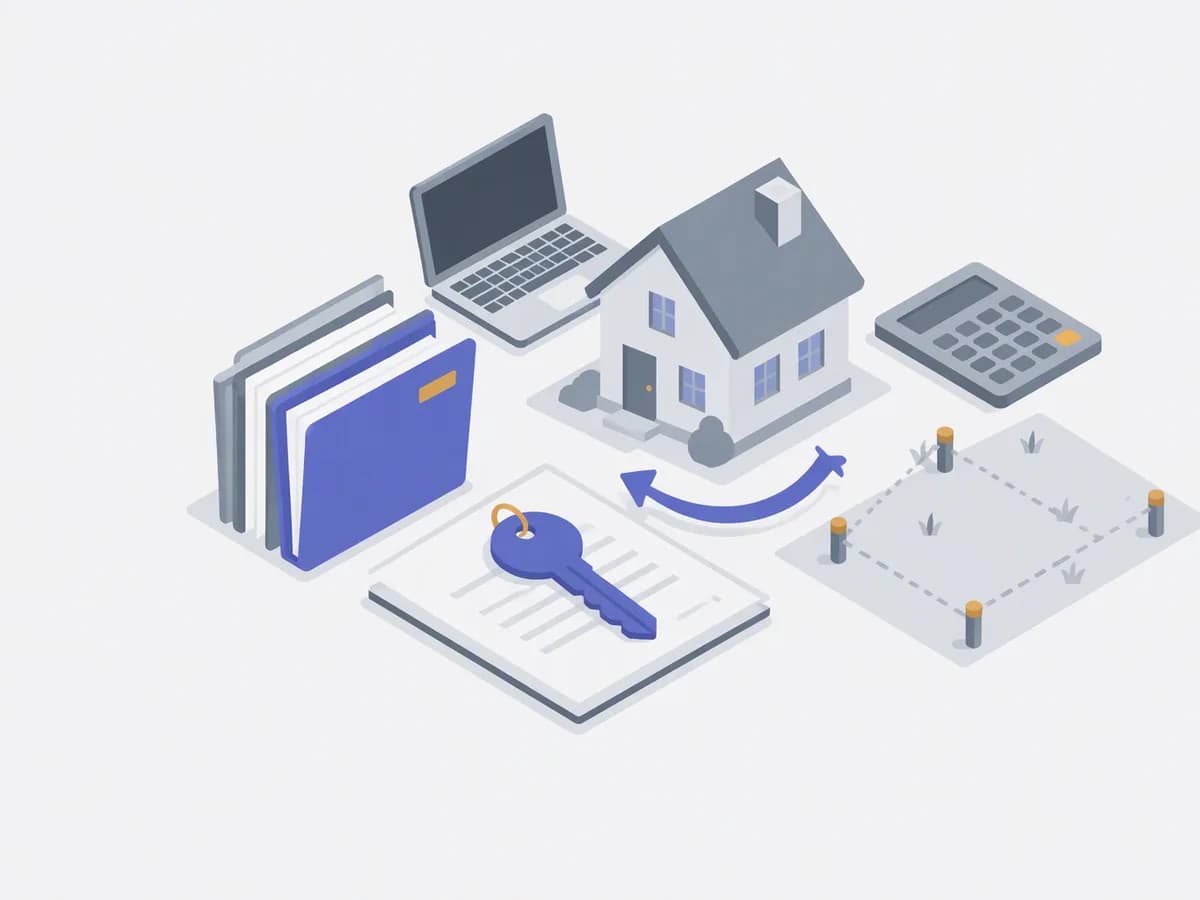
Why Due Diligence Matters More Than Ever in 2026
With increasing cases of disputed titles and fraudulent documents, due diligence has become critical for every property transaction. Here's what you should check, step by step.
Who this affects
Worth a read
Read this if you are buying or investing in property and want a practical checklist to spot title, encumbrance or approval problems before payment.
- Buyers
Do the step-by-step due diligence (title chain, encumbrances, approvals, possession) before paying any token amount.
- Lawyers & registrars
Checklist of searches and documents lawyers/registrars should run when preparing or examining a transfer.
- Investors
Verify chain of title, encumbrance and approvals to avoid investing in disputed or non-compliant assets.
Signals in this story
- Political
- Financial
- Legal
- Regulatory
- Local
Strong legal signal: the piece focuses on title, encumbrance certificates and court-searches; also flags regulatory checks like RERA and occupancy certificates.
Property due diligence is the set of checks a buyer completes before paying, covering the chain of title, encumbrances, approvals and possession. It matters because most disputes are visible on paper beforehand. Doing the checks before the token amount, in a fixed sequence, is the cheapest way to avoid a lost property.
Key takeaways
- Check ownership through a chain of documents, not just the latest deed.
- An encumbrance certificate shows registered charges, not every claim.
- Verify approvals and possession on the ground.
- Do the checks before paying a token amount, not after.
Most property problems are visible on paper before the money moves. The trouble is that buyers often check late, or check only one document. Due diligence works best as a sequence.
Step 1: Trace the title
Ask for the full chain of title deeds going back as far as the records allow. Each transfer should connect to the next, with no unexplained gap.
Step 2: Check charges and disputes
An encumbrance certificate lists registered transactions in a period. Pair it with a court records search, since not every claim is registered.
Step 3: Verify approvals and possession
- Building plan sanction and occupancy certificate
- RERA registration for projects
- Property tax and utility dues
- Physical inspection and who is actually in possession
“Buy the property that the documents describe, not the one the brochure promises.”
Frequently asked questions
- What is property due diligence?
- Property due diligence is a structured check of a property before you pay. It covers who owns it, whether the chain of documents is unbroken, whether any loan or charge exists, whether the building is approved, and who is in possession today.
- When should a buyer do due diligence?
- Do it before paying any token amount. Once money moves, the seller has less reason to answer hard questions and the buyer has less leverage to walk away. Treat the checks as a condition of the deal, not a formality after it.
- Is an encumbrance certificate enough on its own?
- No. An encumbrance certificate shows registered transactions and charges for the period you ask about. It does not show unregistered agreements, court claims, family disputes or approval problems, so it is one check among several.
General information only. This is not legal advice; consult a qualified property lawyer for your situation.
Need a property report?
Get a comprehensive title search report powered by LegiScore.
Powered by LegiScore Trusted by homebuyers, lawyers and lenders
Related reading
Delhi NCR: Leasehold or Freehold? Why It Changes Your Purchase
Buying & Selling 9 Oct 2026
5 min read
Worth a read for Buyers, Lenders
Documents to verify before buying a resale flat in Goa
Buying & Selling 21 Oct 2026
7 min read
Worth a read for Buyers, Sellers

Mint compares home-loan prepayment with SIP investing for borrowers
Buying & Selling 19 Oct 2026
3 min read
Source: Mint
Worth a read for Buyers, Owners

Home loan rate hike: how EMI and tenure choices affect cost
Buying & Selling 20 Oct 2026
2 min read
Source: Mint
Worth a read for Buyers, Owners