Property Portals and Verified Marketplaces Are Not the Same Thing
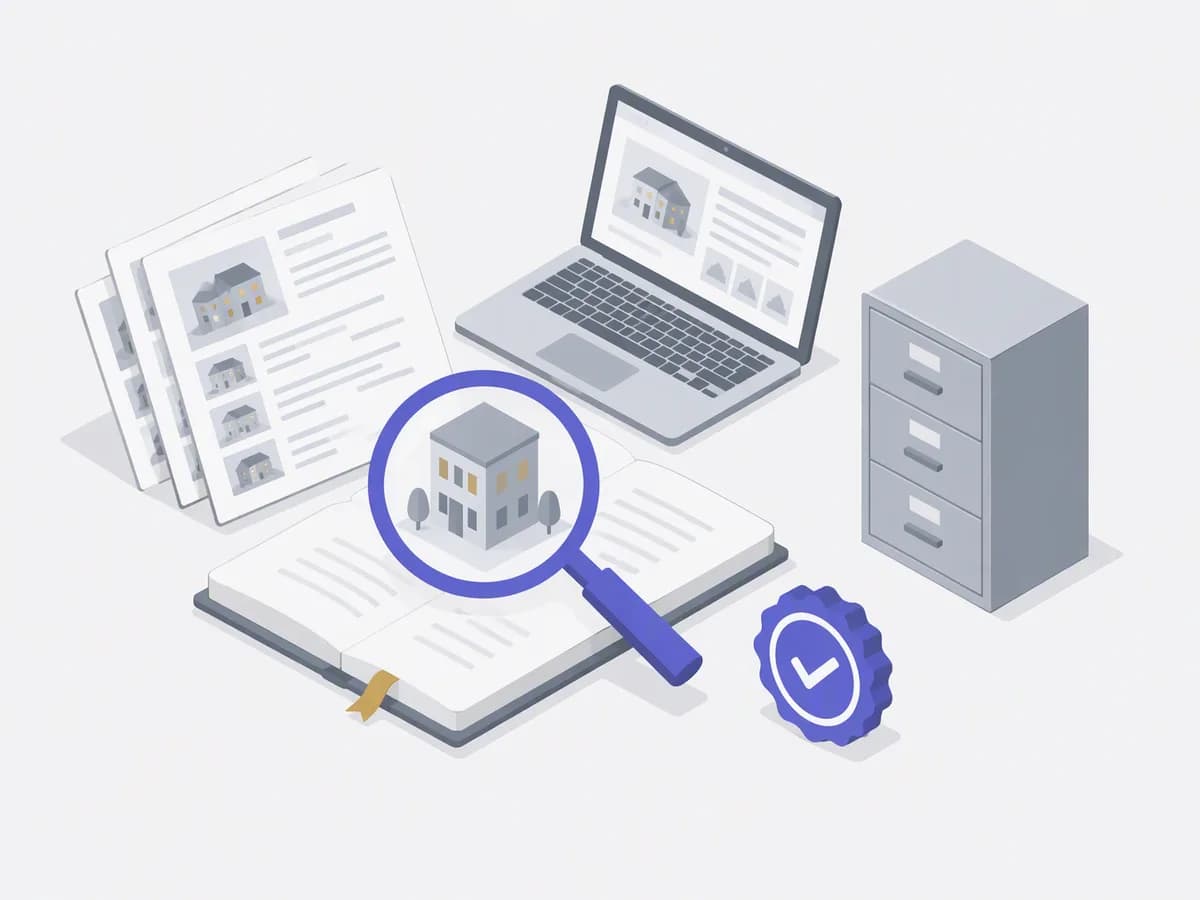
A portal lists inventory. A verified marketplace rates the legal risk of each listing before you see it. A side-by-side look, with LegiScore Marketplace as the example.
Who this affects
Worth a read
Read this if you want to know when to use classifieds for discovery and when to use a verified marketplace with pre-checks before transacting.
- Buyers
Use verified listings with pre-published LPS checks to avoid late-discovered title, encumbrance or litigation risks.
- Sellers
Listing with an LPS speeds up trust and negotiations by signalling paperwork and title checks are done.
- Investors
Helps prefer verified marketplace and bank-auction inventory to reduce legal and closing risk.
- Developers
Developer-project inventory can carry the same LPS rating to indicate transaction readiness.
Signals in this story
- Political
- Financial
- Legal
- Regulatory
- Local
Strong legal signal: focuses on title, encumbrance, litigation checks and an explicit LPS rating methodology.
Think of a listing portal as a classifieds board. It collects as many 'for sale' ads as it can and lets you filter by price, place and size. A verified marketplace works at the transaction stage. Each listing has been checked beforehand for title, encumbrance, litigation and compliance risk, and carries an independent rating that shows it. Portals aim for volume and discovery, while a verified marketplace aims for trust and closing the deal. A property purchase uses both at different points, but they are different products. Mixing them up is how buyers spend months on legal due diligence for a property that could never be verified.
The difference matters more in India than in most countries. With fraud, duplicate listings and title disputes this common, 'found on a portal' and 'safe to buy' make entirely separate claims. This post sets out what separates the two models, why the gap exists, and how a platform such as LegiScore Marketplace narrows it.
The real job of a listing portal
Large classifieds portals exist to solve one problem, which is finding inventory. A property goes up with photos, a price and a description, posted by sellers, brokers and now and then builders. Buyers then search by city, locality, budget and configuration. The service is useful, which is why such portals draw huge traffic each month.
The business model, however, depends on the number of ads and not on verification. Anyone can list a property with little proof of ownership. With no independent check between seller and live listing, reposts by brokers, expired ads still marked 'available' and duplicate entries for one flat are all common. The portal is not deceiving you. Confirming that the title is clean, that no litigation is pending or that the seller has the legal right to sell is simply not its business. If that check happens at all, it comes later, usually once you have shortlisted the property, called the seller and begun to negotiate.
How a verified marketplace works differently
A verified marketplace reverses the order. Verification comes before publication, and not after you have grown attached to a listing. Each property shown has evidence that someone has examined the legal basics: who the owner is, whether the property is mortgaged or up for bank auction, whether any court case is attached, and whether the papers are complete enough to close a deal without last-minute shocks.
On LegiScore Marketplace that evidence is more than a vague 'verified' badge. It is a LegiScore Property Score (LPS), a rating in credit style from AAA to C (the five tiers are AAA, AA, A, BBB and C), with a total of 1000 points shared among five weighted pillars. Title Integrity gets 300 points, Encumbrance & Financial risk gets 250. Litigation history carries 200, Regulatory Compliance 150, and the last 100 belong to Document Completeness & Integrity. It takes under 15 minutes to generate, and three human review checkpoints check it before it is attached to a listing. That is the structural difference. A portal presents a property. A verified marketplace presents the property and a risk rating worked out before you pick up the phone.
Listing portal and verified marketplace compared
- Core function · Listing Portal: finding inventory, with as many listings shown as possible · Verified Marketplace: readiness for a transaction, with as many listings you can safely act on as possible
- Who can list · Listing Portal: any person, whether owner, broker or unverified repost · Verified Marketplace: sellers whose property has passed a title and legal check
- Verification timing · Listing Portal: after you shortlist, through your own effort · Verified Marketplace: ahead of publication of the listing
- Title & encumbrance check · Listing Portal: left out, so you arrange it yourself · Verified Marketplace: an independent LPS rating (AAA–C) on each listing
- Litigation / court case check · Listing Portal: left out · Verified Marketplace: covered by the Litigation pillar in the LPS rating
- Duplicate / stale listings · Listing Portal: frequent, because dedup and expiry are not linked to verification · Verified Marketplace: each listing tied to a property record that is verified
- Bank auction properties · Listing Portal: seldom present, or shown without legal context · Verified Marketplace: a separate category, each property having its own LPS rating
- What you get · Listing Portal: a shortlist from which to begin your own due diligence · Verified Marketplace: a shortlist fit for action, with the due diligence behind it already finished
- Best used for · Listing Portal: seeing what is available in an area · Verified Marketplace: deciding what is actually safe to buy or sell
Neither side is 'wrong'. For seeing everything on the market in a price band, a portal is still the fastest route. The error is to assume a portal listing carries the assurance of a verified one. It does not, as nothing behind it was checked before it went live.
How the gap costs buyers real money
This deserves an article and not a footnote because the price of skipping verification arrives late and is high. Picture a buyer who negotiates and pays a token advance, and who orders a title check only afterwards. After the money has moved, the buyer finds out that the property is in litigation, that an unreleased mortgage sits against it, or that the seller is not the only legal owner. Getting the advance back is then a legal fight of its own. A portal is not at fault, since it never claimed to check any of this. Yet buyers behave as if it had, because a neat listing with professional photos feels trustworthy.
Verified marketplaces are designed to remove this failure. Any title or litigation problem is reflected in the LPS rating ahead of the listing's arrival in front of you, so you learn of it before an offer is made. That is also why bank auction properties belong on a verified marketplace and not on a generic classifieds board. They move fast, have short bid windows and fall in some of the riskiest legal categories of Indian real estate. Verified listings on LegiScore Marketplace, auction and developer-project inventory among them, are open to browse, and each shows its risk rating.
Where LegiScore Marketplace stands among 'verified' platforms
Indian real estate uses 'verified' loosely. On some portals it only means the phone number was confirmed by OTP, or that a moderator looked at the photos. LegiScore Marketplace ties the word to a published method: the LPS engine behind LegiScore's independent property due diligence reports, with coverage of 14 states, 70+ government portal searches and 100+ court searches across 700+ district and high courts in India. The basic output is a 29-section AI-generated report. As an optional extra, a licensed advocate can sign off, for buyers who want a lawyer's signature in addition to the automated rating. All listings on the Marketplace, whether a resale flat, a bank auction or developer-project inventory, follow the same rating standard. 'Verified' means one thing across the platform and not something different for each listing.
What LegiScore adds
If you are deciding where to actually transact and not merely browse, LegiScore Marketplace is meant as the second half of the journey that a listing portal starts. Use a classifieds portal to see what is available and to sense local prices, which is what it does well. Then move to LegiScore Marketplace for listings, bank auction inventory included, that already carry an independent LPS rating, so your title check does not begin from zero.
Sellers benefit as well. When each property on a platform is expected to carry a rating, a verified listing shows serious buyers you have nothing to hide, and that tends to make negotiation shorter with less argument over papers. Put your property up for sale on LegiScore Marketplace and the trust signal is there from day one.
For a property found elsewhere, such as on a portal, through a broker or off-market, the same level of rigor does not depend on the property appearing on a verified marketplace. Send it to LegiScore directly. Within 15 minutes you hold a full LPS rating with the 5-pillar breakdown: get your LegiScore property rating. To see how this compares with the big classifieds portals, read our breakdown of verified property listings vs. 99acres, Housing, and MagicBricks. If you are unsure how much due diligence you need before buying, our property due diligence alternatives guide goes through the options.
Frequently asked questions
- How does a listing portal differ from a verified marketplace in practice?
- A listing portal gathers as many 'for sale' ads as it can, with no independent check on the property behind them, so anyone can post. A verified marketplace publishes only listings that have already passed a title, encumbrance and litigation check, and gives each a rating (such as LegiScore's AAA-to-C LPS score) so that buyers see the level of risk before shortlisting.
- Does a 'verified' badge on a portal mean the title was checked?
- Normally not. On most classifieds portals it means that the seller's phone number or identity was confirmed. Nobody has examined the title, the ownership chain, encumbrances or pending litigation. A true verified marketplace ties the word to a documented legal check and not merely identity confirmation.
- Are good photos and a detailed description reason enough to trust a listing?
- No. Professional presentation has nothing to do with legal cleanliness. A property with excellent photos can still carry an unreleased mortgage, a title dispute or missing approvals. You can only find out through an independent check such as an LPS rating, and the quality of the listing itself will not tell you.
- Are bank auction properties on LegiScore Marketplace?
- Yes. Bank auction properties are listed there next to resale and developer-project inventory, and each auction listing has its own LPS rating. This matters because auction bid windows move quickly and auction titles can be legally complex.
- Can I verify a property I found on an ordinary portal?
- Yes. The property need not be listed on a verified marketplace. Submit a property from whatever source to LegiScore itself, and a complete AAA-to-C rating plus a 5-pillar breakdown comes back in less than 15 minutes. Do this first, then pay an advance or sign.
- Why would a seller choose a verified marketplace over a regular portal?
- A verified listing tells buyers that the title has been checked, which lightens their own due-diligence burden and normally shortens the road to closing. Sellers on a platform where every property is rated tend to draw serious, ready-to-transact buyers and fewer early-stage browsers. Learn the legal health of any property within 15 minutes: get your LegiScore rating.
General information only. This is not legal advice; consult a qualified property lawyer for your situation.
Need a property report?
Get a comprehensive title search report powered by LegiScore.
Powered by LegiScore Trusted by homebuyers, lawyers and lenders
Related reading

For Most Buyers, the Risk Is Not the Price but the Title
Expert Views 10 Oct 2026
4 min read
Worth a read for Buyers, Lawyers & registrars

A Registered Deed Is Not Proof of Ownership: Supreme Court 2025
Expert Views 24 Jul 2026
8 min read
Must read for Buyers, Lenders

Selling Unsold Project Inventory to Buyers Who Want Verification
Expert Views 7 Jul 2026
7 min read
Worth a read for Developers, NRIs

Selling Property Quickly in India: Verify the Title First
Expert Views 7 Jul 2026
8 min read
Worth a read for Sellers, Buyers