
For Most Buyers, the Risk Is Not the Price but the Title
Key red flags, common mistakes and how to avoid them when buying a property in India.
Who this affects
Worth a read
Read this if you are buying property in India and need to prioritise title checks over price haggling.
- Buyers
Verify title documents first; a defective title can lead to litigation, blocked loans or failed resale.
- Lawyers & registrars
Buyers are advised to get a lawyer's opinion before paying the token amount.
- Sellers
Unwillingness to share earlier documents, mismatched names or pressure for quick cash payment are red flags.
Signals in this story
- Political
- Financial
- Legal
- Regulatory
- Local
Primarily a legal story: defective titles, broken chain of ownership and litigation risk are central concerns.
In Indian property, the main risk is a defective title, not a high price. A price can be renegotiated, but a broken chain of ownership, a hidden charge or a missing co-owner can cost you the property itself. Buyers should verify title documents first and negotiate price only afterwards.
Key takeaways
- Price can be negotiated; a defective title usually cannot be fixed by negotiation.
- Be wary of urgency, cash demands and missing documents.
- Get a lawyer's opinion before the token amount.
Buyers spend weeks comparing prices and minutes on title. The proportions should be reversed. A defective title can mean litigation, a blocked loan or a failed resale.
Red flags worth noticing
- Seller is unwilling to share earlier documents
- Names or survey numbers differ between documents
- Pressure to pay quickly or in cash
- Sale through a power of attorney with no clear authority
“Ask one simple question: how did this seller become the owner?”
Frequently asked questions
- Why is title risk bigger than price risk?
- A price mistake costs you a share of the value, and you can often recover it on resale. A title defect can cost you the whole property, plus the legal fees of defending your ownership.
- What is a clear title?
- A clear title means the seller can show an unbroken chain of valid documents from an earlier owner to today, with no unexplained charges, claims or missing co-owners. A lawyer reads the chain to confirm it.
General information only. This is not legal advice; consult a qualified property lawyer for your situation.
Need a property report?
Get a comprehensive title search report powered by LegiScore.
Powered by LegiScore Trusted by homebuyers, lawyers and lenders
Related reading

Buying Property in India From Abroad: A Safe NRI Checklist
Expert Views 7 Jul 2026
9 min read
Worth a read for NRIs, Lawyers & registrars
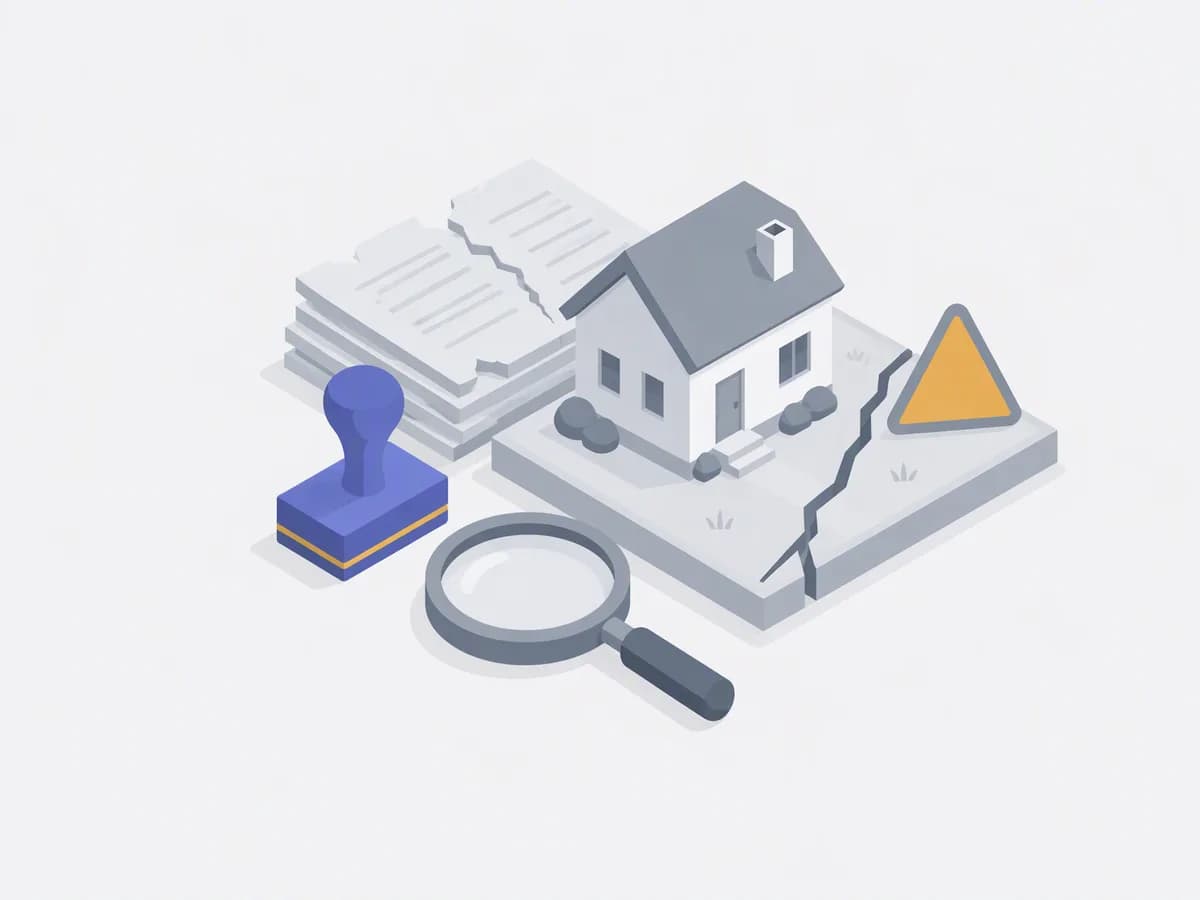
Seven Signs a Property Document May Not Be What It Seems
Property Risks 13 Oct 2026
6 min read
Worth a read for Buyers, Lawyers & registrars
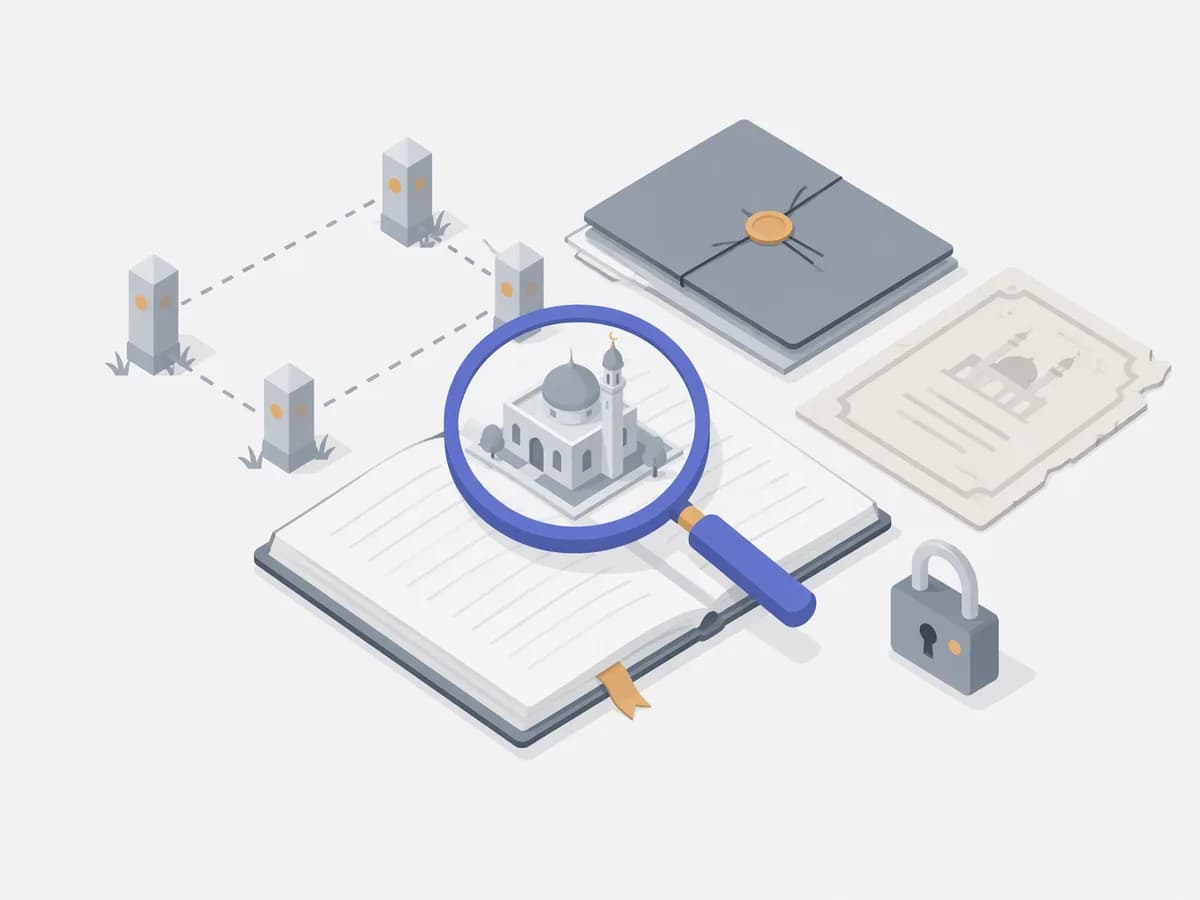
Land Near a Mosque or Dargah in 2026: Waqf Title Risk, Settled and Unsettled
Expert Views 24 Jul 2026
10 min read
Must read for Buyers, Lenders

Are 99acres, Housing.com and MagicBricks Listings Title-Verified?
Expert Views 7 Jul 2026
7 min read
Worth a read for Buyers, Sellers