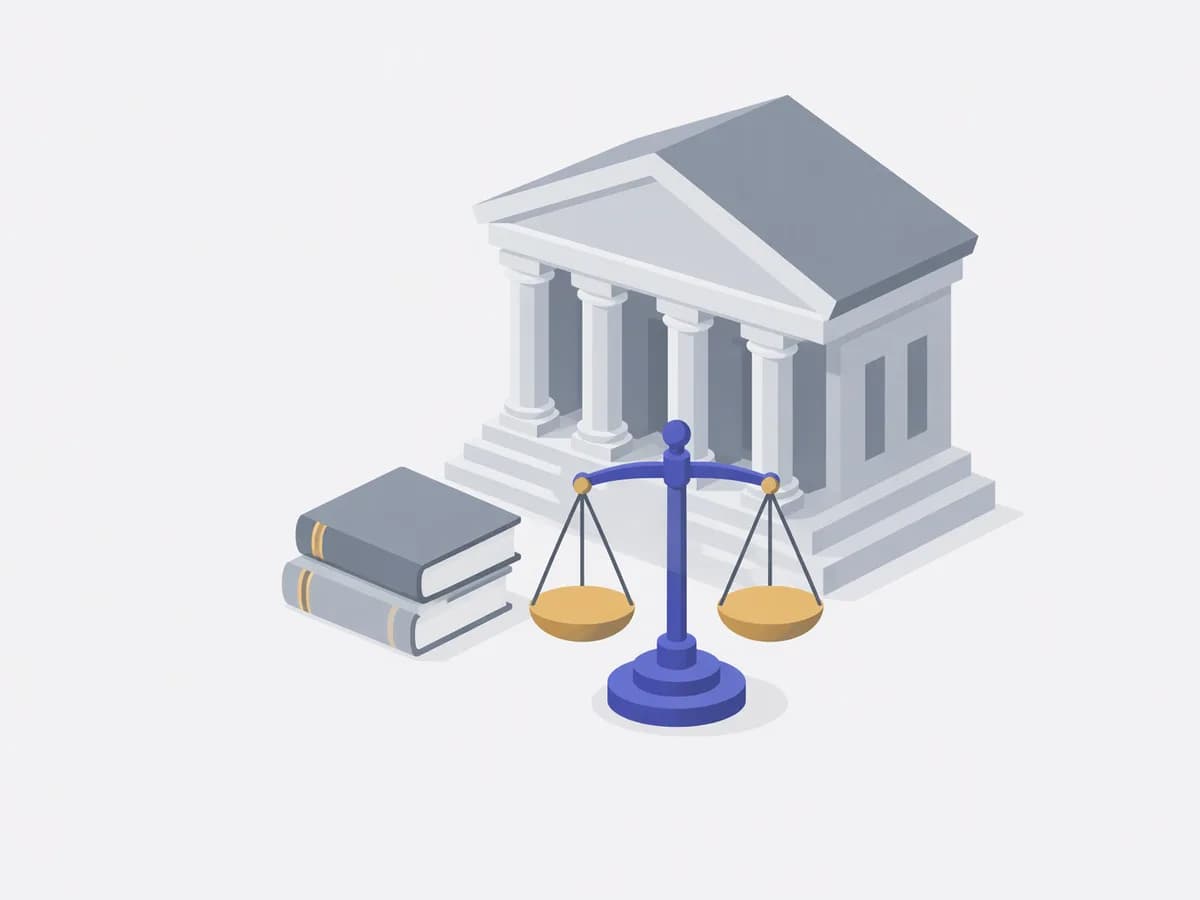
Supreme Court allows flat sales during title suits, subject to disclosure
Buyers must be told about pending title cases, and every transfer remains tied to the final result.
Who this affects
Worth a read
Read this if you are considering a flat where a pending title case is disclosed in the sale papers.
- Buyers
A buyer may acquire a flat whose title remains dependent on pending civil suits.
- Owners
Owners selling during a title contest must account for the Court's disclosure requirement.
- Developers
The ruling addresses transfers of completed flats built on land under title litigation.
Signals in this story
- Political
- Financial
- Legal
- Regulatory
- Local
The ruling affects sales linked to unresolved civil title proceedings.
The Supreme Court allowed completed flats on land under title litigation to be sold, but only subject to the final outcome of the pending suits. It required the seller to disclose the litigation in the sale documents. A buyer therefore takes the flat with notice that the ownership dispute remains unresolved.
SCC Times reported that the Supreme Court removed a Calcutta High Court restriction on transfers of completed flats built on land in competing title suits. The Court allowed sales, but made each transfer subject to the final decisions in the suits. It also required the seller to state the pending litigation in the sale papers and asked the trial court to decide the connected suits promptly.
AI-assisted, published after automated editorial checks
Key takeaways
- The Supreme Court allowed transfers of completed flats in this title dispute.
- The sales remain subject to the final civil court decisions.
- The seller must disclose the pending cases in the transaction papers.
- The order does not decide who ultimately owns the land.
A Supreme Court bench of Justices B.V. Nagarathna and R. Mahadevan issued the order reported on 6 November 2026. It considered a challenge to a Calcutta High Court direction that had allowed construction under an existing sanctioned plan but stopped transfers of the completed flats.
What the Supreme Court decided
The Supreme Court held that the restriction on creating third-party interests should not continue in the circumstances before it. It permitted transfers of the completed flats. However, the Court made every sale or other transfer dependent on the result of the pending title suits. It also required the pending proceedings to be disclosed in the sale documents and sought an early decision from the trial court.
What this means for property buyers
The order does not settle the underlying ownership contest. It allows transactions to proceed while preserving the effect of the eventual court decision. A registered transfer in this setting is therefore not separate from the litigation. Buyers generally need to understand that the final title decision may affect the interest transferred to them. Clear disclosure in the sale deed makes the pending case part of the recorded transaction context.
- The Court allowed sales of completed flats despite unresolved title suits.
- Each transfer remains subject to the final result in those suits.
- The pending litigation must be stated in the sale documents.
- The trial court was requested to deal with the connected suits promptly.
Why it matters
This ruling draws a clear line between allowing a completed project to transact and giving a buyer an unrestricted interest in it. A buyer of such a flat does not escape the effect of the title litigation merely because a sale deed is executed. Disclosure becomes central because it puts the legal position in the transaction papers rather than leaving it outside the buyer's knowledge. For owners and buyers, the decision also shows why a sale during a title contest needs to be read alongside the pending civil proceedings. The outcome of those proceedings can still shape the rights connected with the flat.
Frequently asked questions
- Can flats be sold while a title case is pending?
- In this case, the Supreme Court allowed sales of completed flats. The permission was tied to disclosure of the suits and to the final outcome of those proceedings.
- Does the sale end the title dispute?
- No. The Court kept every transfer subject to the decision in the pending suits. The sale does not itself determine the underlying ownership question.
- Why does disclosure in the sale deed matter?
- The Court required the pending litigation to be stated in the sale documents. This records that the buyer was informed of the unresolved title issue.
Source: SCC Onlinescconline.com
Original headline: Flats Built On Disputed Property Can Be Sold Subject To The Outcome Of The Pending Suits, Buyers Must Be Told: SC
Sources
Not independently verified. We have not checked this report against primary records; read the original linked above before relying on it.
We summarise published reporting in our own words and link to the original. Publishers can ask for a correction or removal at editor@landandlaw.in. We act within 48 hours. Editorial policy
General information only. This is not legal advice; consult a qualified property lawyer for your situation.
Need a property report?
Upload your documents and get a title report powered by LegiScore for ₹999.
Powered by LegiScore Trusted by homebuyers, lawyers and lenders
Related reading
Supreme Court: possession suit cannot bypass a serious title dispute
Court Judgments 22 Oct 2026
3 min read
Source: Verdictum
Worth a read for Buyers, Owners

Mumbai luxury home deals spotlight the sea-facing premium
Property News 22 Oct 2026
3 min read
Source: Hindustan Times
Worth a read for Buyers, Sellers

Delhi High Court: seller must prove loss to retain earnest money
Court Judgments 3 Nov 2026
3 min read
Source: LiveLaw
Worth a read for Buyers, Sellers

Rajasthan High Court: stamp payment cannot cure an unregistered relinquishment deed
Court Judgments 7 Nov 2026
3 min read
Source: LiveLaw
Worth a read for Owners, Buyers