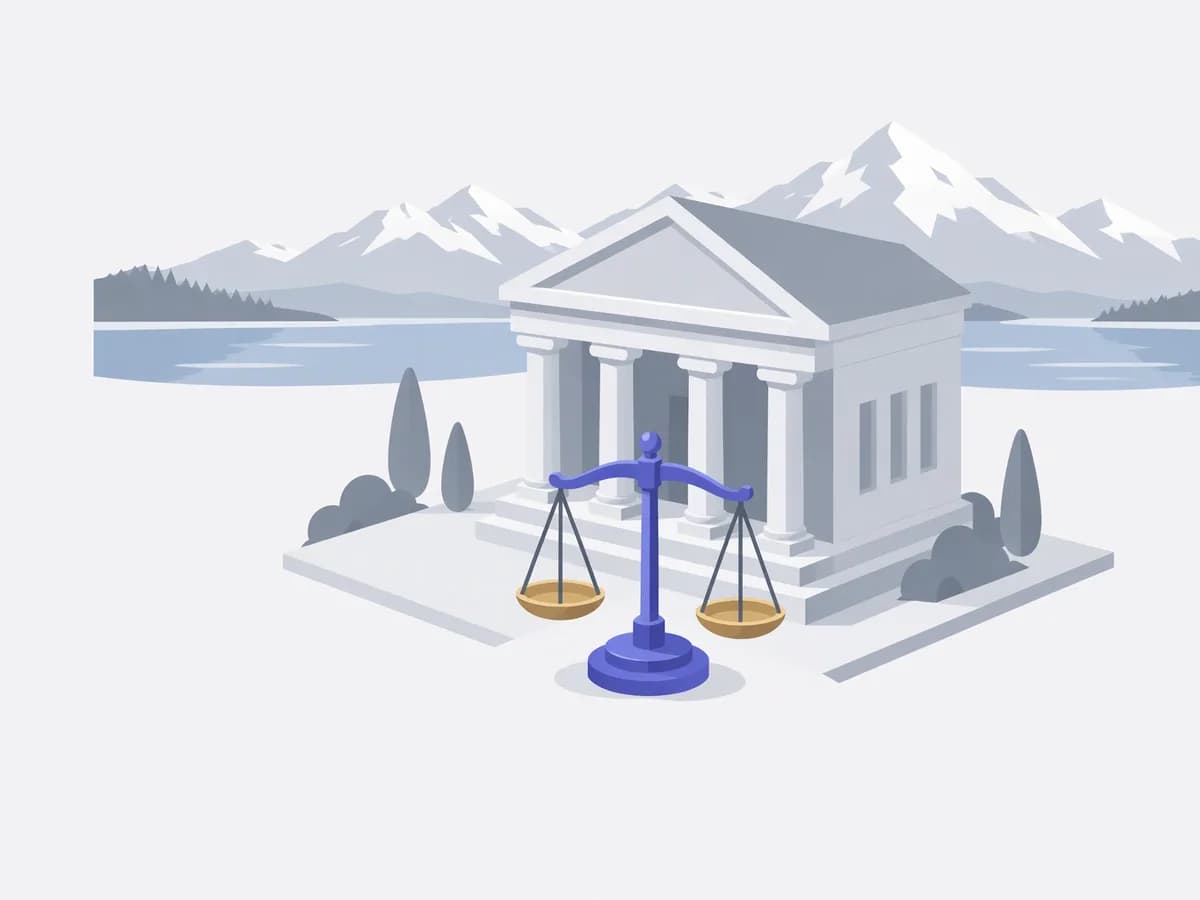
J&K and Ladakh High Court says utility bills do not validate construction
Long occupation and utility payments did not establish ownership or protect a building without approved plans.
Who this affects
Worth a read
Read this if you are assessing whether long occupation or utility bills establish a building’s legal status.
- Buyers
Useful context on why utility records do not replace building approvals.
- Owners
Explains the difference between occupation evidence and planning compliance.
- Developers
Highlights the continuing importance of approved building plans.
Signals in this story
- Political
- Financial
- Legal
- Regulatory
- Local
The ruling concerns building-plan compliance and demolition powers in Jammu and Kashmir.
The Jammu and Kashmir and Ladakh High Court held that long occupation, utility bills and investment in a building do not prove ownership or protect construction raised without approval. Justice Rajesh Sekhri held that a delay in enforcement action cannot turn an unapproved building into a lawful one.
LiveLaw reported that the Jammu and Kashmir and Ladakh High Court dismissed a challenge to a demolition notice concerning a residential building. Justice Rajesh Sekhri held that years of occupation, electricity and water payments, and investment in a structure do not create ownership rights or cure construction raised without approval. The Court also held that delay by enforcement authorities does not validate a building that lacks the required permission.
AI-assisted, published after automated editorial checks
Key takeaways
- Utility bills can show occupation but do not establish ownership.
- Long possession does not cure missing construction approval.
- The Court said enforcement delay does not validate an unapproved building.
- Planning compliance and service connections are separate questions.
The Jammu and Kashmir and Ladakh High Court considered a challenge to demolition action under the region’s building-control law. LiveLaw reported the order on 23 November 2026. Justice Rajesh Sekhri dismissed the petition concerning a residential structure for which the authorities said valid construction approval was missing.
What the Court held
The High Court held that occupation over many years does not, by itself, establish ownership of a building or protect it from action under building rules. It reached the same conclusion about electricity and water bills, commercial certificates and money spent on the structure. These materials may show use or occupation, but the Court said they do not replace an approved plan or other required permission.
The Court also rejected the argument that the passage of time or inaction by officials had made the building compliant. It held that a lapse in enforcement cannot validate construction that was not authorised when it was raised.
Why this matters for property owners
The decision separates service connections from title and planning compliance. A property may have power and water supply, and may have been occupied for a long time, yet still face questions about approved plans or permissions. For buyers and owners generally, the ruling shows why documents relating to construction approval and the landholder’s right to build need to be considered separately from utility records. It is also a reminder that regulatory issues can survive even where a structure has existed for years.
Why it matters
Utility connections and municipal payments can be useful evidence that a building has been occupied or supplied with services. This ruling distinguishes those facts from the separate question of whether the construction was approved and whether the occupier has title. That distinction matters for buyers and owners because a functioning connection, long occupation or money spent on a structure may create a false sense that regulatory compliance is settled. The Court’s reasoning indicates that building-plan approvals and the legal basis for occupation remain independently important. It also underlines that an authority’s delay does not automatically regularise an unapproved structure.
Frequently asked questions
- Do electricity and water bills prove that a building is lawful?
- No. The High Court held that utility payments do not establish ownership or cure the absence of construction approval. They may show that services were supplied, but not that the building met planning requirements.
- Can a building become valid because authorities acted late?
- The Court held that delay or inaction by officials does not validate construction that lacked the necessary approval. Compliance is assessed separately from how long the structure has existed.
- Does long possession prove ownership of a house?
- The ruling says long occupation alone does not confer ownership. It also does not prevent action over a building raised without a valid plan. Title and construction permission require their own supporting records.
Source: LiveLawlivelaw.in
Original headline: Long Possession, Electricity Bills Cannot Protect Illegal Construction From Demolition: J&K&L High Court
Sources
Not independently verified. We have not checked this report against primary records; read the original linked above before relying on it.
We summarise published reporting in our own words and link to the original. Publishers can ask for a correction or removal at editor@landandlaw.in. We act within 48 hours. Editorial policy
General information only. This is not legal advice; consult a qualified property lawyer for your situation.
Need a property report?
Upload your documents and get a title report powered by LegiScore for ₹999.
Powered by LegiScore Trusted by homebuyers, lawyers and lenders
Related reading
Punjab and Haryana High Court explains possession of vacant village land
Court Judgments 29 Nov 2026
3 min read
Source: LiveLaw
Worth a read for Owners, Buyers

Kerala High Court says fallow land can remain paddy land
Court Judgments 28 Nov 2026
3 min read
Source: LiveLaw
Worth a read for Owners, Buyers
Gauhati High Court says ceiling land cannot vest without final statement
Court Judgments 18 Nov 2026
3 min read
Source: Verdictum
Worth a read for Owners, Buyers
Rajasthan High Court: stamp payment cannot cure an unregistered relinquishment deed
Court Judgments 7 Nov 2026
3 min read
Source: LiveLaw
Worth a read for Owners, Buyers