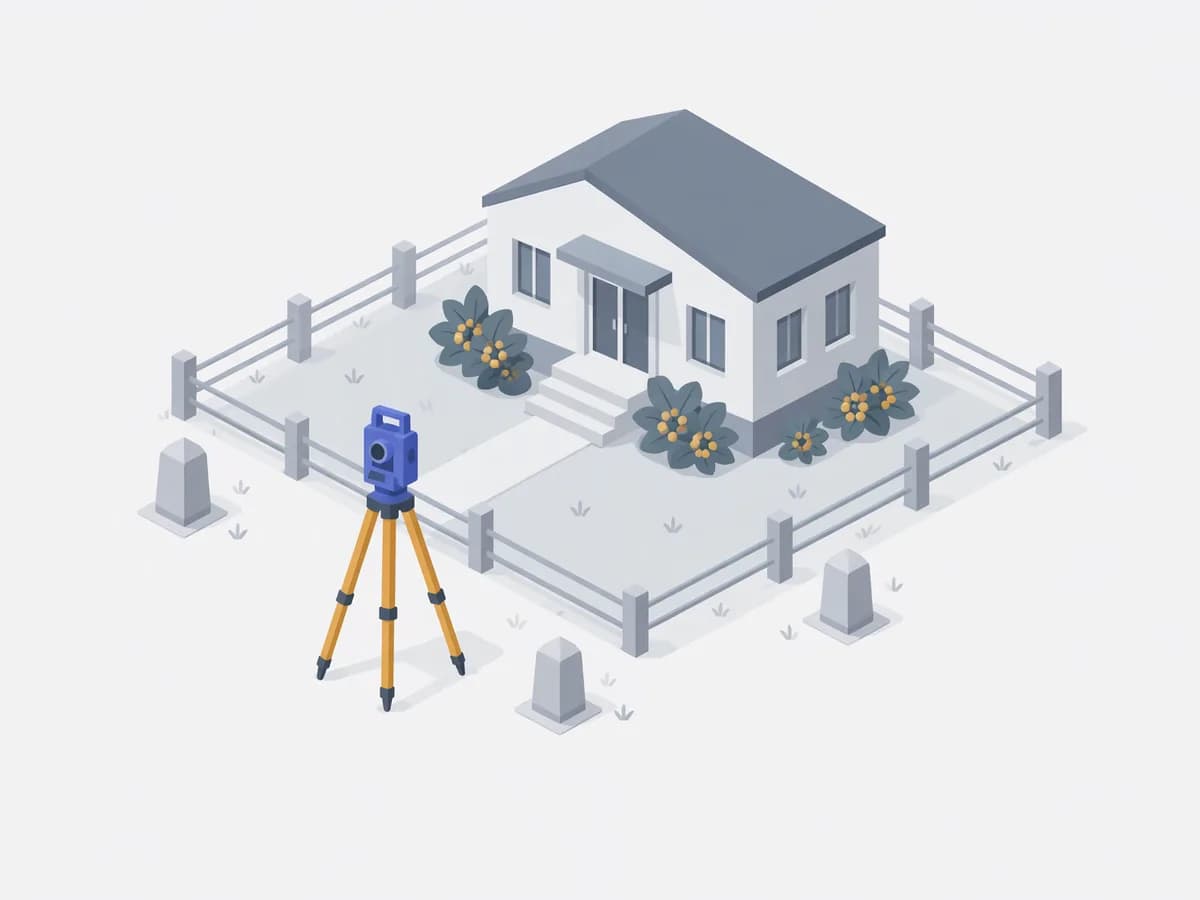
Karnataka sets rural e-Khata targets through December 2027
The state has expanded a rural digital-property-record drive with revised eligibility routes for some long-standing homes.
Who this affects
Worth a read
Read this if you own or are considering a rural home in Karnataka and want to understand the expanded e-Khata drive.
- Owners
Rural owners may see a new route to seek a panchayat digital property record.
- Buyers
Buyers of rural homes can understand the limits of an e-Khata record in checks.
Signals in this story
- Political
- Financial
- Legal
- Regulatory
- Local
The change concerns panchayat-level property records in Karnataka.
Karnataka has announced targets to issue rural e-Khatas up to December 2027. The revised process described by The Times of India may allow some long-standing gramathana homes to be considered using an older electricity bill and site inspection. The scheme has eligibility limits and an objection stage, so an e-Khata does not by itself settle every ownership question.
The Times of India reported that Karnataka has set a December 2027 target for issuing digital khatas to rural properties. The report said the state intends to cover eight lakh gramathana properties by the end of this year and a further 80 lakh rural properties by the end of 2027. Revised rules may let certain long-standing gramathana households rely on an older electricity bill and a field inspection where conventional ownership papers are unavailable.
AI-assisted, published after automated editorial checks
Key takeaways
- Karnataka has fixed rural e-Khata targets for the end of 2026 and 2027.
- Some gramathana applicants may use an older electricity bill with a site inspection.
- The reported process includes a 21-day window for objections.
- A panchayat e-Khata record is not a complete substitute for title verification.
Karnataka is accelerating its rural e-Khata programme. The Times of India reported that the state wants to issue records for eight lakh gramathana properties by 31 December 2026, followed by 80 lakh rural properties by 31 December 2027.
Who the revised route may cover
The report says the updated panchayat rules are meant to help households in gramathana areas that have occupied homes for many years but cannot produce the usual property papers. In the route described, an electricity bill issued before 7 April 2025 and a local inspection can support the application.
The programme is not described as universal. The reported target concerns properties without disputes and excludes land falling in government or forest categories. It also initially applies to particular types of residential and agricultural-use buildings, subject to the rules.
Why the objection period matters
Before the khata is issued, the report says there will be 21 days for objections. That gives local stakeholders a defined point to raise a record-related concern. It also means applicants should not treat a submitted request as an immediately completed record update.
For a property transaction, the digital record may make panchayat-level details easier to identify. It remains separate from the checks normally needed on a registered deed, the chain of ownership, land classification and any applicable permissions. Buyers generally need to read those records together rather than rely on one entry alone.
Why it matters
An e-Khata is a local-body property record, so this drive could change how many rural owners establish their details in panchayat records. The report describes an eligibility route for a limited group rather than a blanket recognition of every building. Owners and buyers should therefore distinguish between a digital khata entry and proof that all title, land-use and registration issues are settled. The stated filters, including exclusions for certain land and a process for objections, matter because they show that records may be issued only after local verification. A buyer considering a rural home may find the record useful context, but should still examine the underlying title and land records.
Frequently asked questions
- What is Karnataka targeting under this drive?
- The reported target is eight lakh gramathana properties by the end of 2026 and another 80 lakh rural properties by the end of 2027. The programme concerns digital khata records in rural areas.
- Can an electricity bill support an e-Khata request?
- The report says that an electricity bill issued before 7 April 2025 may be used in the revised route for certain long-standing gramathana homes. A site inspection is also part of that route.
- Will every rural property be covered?
- No. The report refers to dispute-free properties and excludes some categories of land. Coverage also depends on the conditions in the applicable rules.
- Does an e-Khata prove clear ownership?
- It is a local-body property record. It does not remove the need to examine registered ownership documents, prior transfers and land-related records.
Source: The Times of Indiatimesofindia.indiatimes.com
Original headline: Eye on boosting revenue and panchayat polls, govt has stepped up its rural property digitisation drive, setting a deadline to issue 88 lakh e-khatas by Dec 2027
Sources
Not independently verified. We have not checked this report against primary records; read the original linked above before relying on it.
We summarise published reporting in our own words and link to the original. Publishers can ask for a correction or removal at editor@landandlaw.in. We act within 48 hours. Editorial policy
General information only. This is not legal advice; consult a qualified property lawyer for your situation.
Need a property report?
Upload your documents and get a title report powered by LegiScore for ₹999.
Powered by LegiScore Trusted by homebuyers, lawyers and lenders
Related reading
Mysuru Prajaseva drive completes e-Khata certificates for 590 owners
State Guides 1 Nov 2026
2 min read
Source: The Hindu
Skip unless affected for Owners
Uttar Pradesh plans pilots for automatic mutation after registration
State Guides 27 Oct 2026
3 min read
Source: The Times of India
Worth a read for Buyers, Sellers
Mysuru e-Khata camp logs 708 filings from nine zones
State Guides 29 Oct 2026
2 min read
Source: The Hindu
Skip unless affected for Owners, Buyers

Bangalore Property Older Than 2004? How to Get Pre-2004 Encumbrance Records from Kaveri
Property Risks 11 Sept 2026
9 min read
Must read for Buyers, Lenders